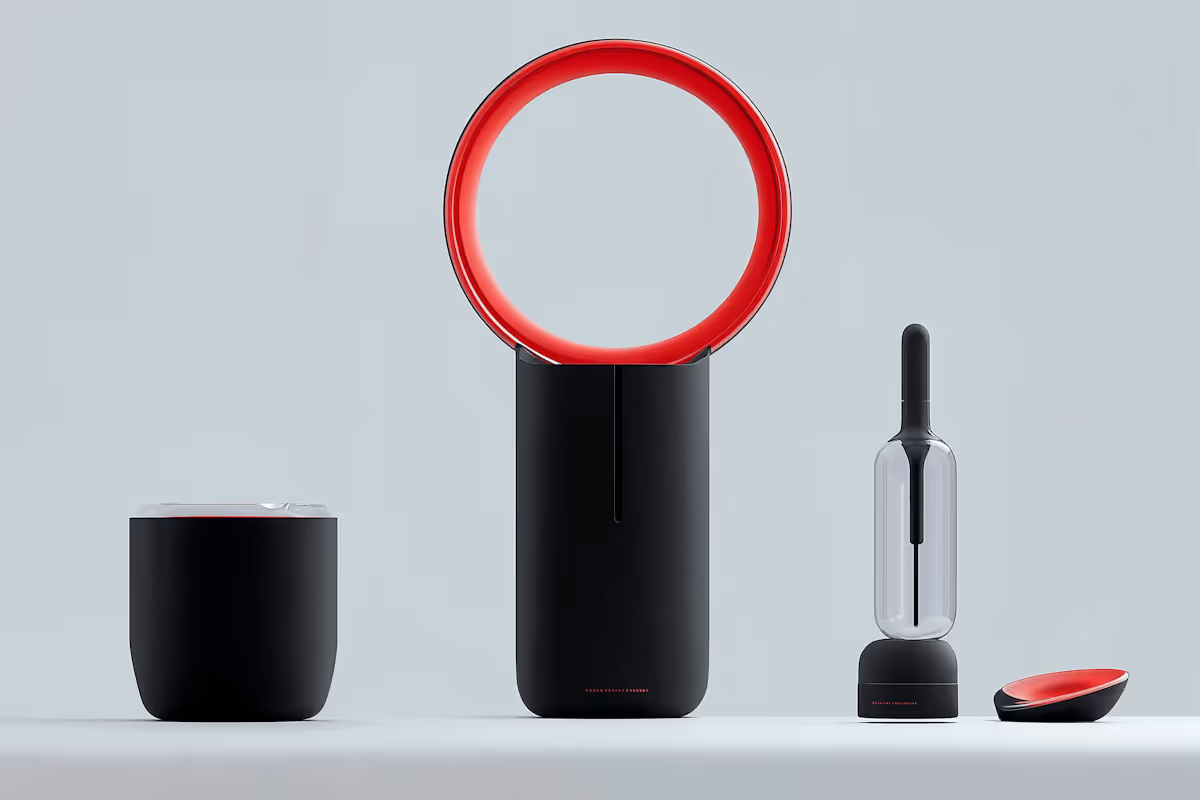
Understanding Brand Positioning
Brand positioning is the process of defining how a business should be perceived in relation to its competitors. It answers fundamental questions such as:
• Who is the brand for?
• What problem does it solve?
• Why should customers choose it over alternatives?
Without clear positioning, even the most beautiful design will struggle to communicate meaning.

The Role of Visual Design
Visual design plays an important role in expressing a brand’s identity. A well-crafted visual system can reinforce professionalism, create recognition, and improve user experience.
However, design works best when it supports a clear strategic direction. When visuals are created without defined positioning, they often feel generic or disconnected from the brand’s purpose.
In other words, design amplifies positioning — it cannot replace it.

Why Businesses Often Focus on Style First
Many businesses begin branding projects by focusing on how they want to look. This approach is understandable: visual changes are tangible and immediate.
But focusing only on aesthetics can lead to common problems:
• inconsistent messaging
• unclear value propositions
• difficulty standing out in competitive markets
A brand may look polished, yet still struggle to communicate what makes it different.
Strategy Before Design
The most effective branding projects begin with strategic clarity. This includes understanding the audience, defining the brand’s role in the market, and shaping the messaging that communicates its value.
Once this foundation is established, design becomes much more powerful. Every visual decision can reinforce the brand’s positioning and support its long-term growth.

The Result: Clearer, Stronger Brands
When positioning and design work together, brands become easier to understand and easier to trust. Customers can quickly recognize what the business stands for and why it matters.
In the long run, this clarity is what helps businesses build stronger relationships with their audience and differentiate themselves in crowded markets.

Conclusion
Visual design is an essential part of branding, but it is most effective when guided by a clear strategic foundation. By defining positioning first, businesses create a framework that allows design to communicate with purpose — turning aesthetics into a meaningful brand experience.

Planning a Brand or Website Project?
I work with founders and teams to create brand and web systems designed for clarity, credibility, and long-term growth.
Limited slots available for March